Understanding the Journey From Concept to Finished Product
The journey from a simple idea to a fully formed product is fascinating. It involves several steps, each crucial in its own right. In this guide, you will learn about how your ideas can be transformed into tangible items. This process includes planning, designing, and crafting the final product. By understanding each step, you can better appreciate the craftsmanship involved.
Designing the Blueprint
The design phase is critical as it lays the foundation for what comes next. This stage involves creating detailed plans that outline every aspect of the item to be produced. These plans are essential because they guide the entire production process. They ensure that the finished product meets all specifications and functions as intended. Without a solid design, errors are more likely to occur later in the process.
Selecting the Right Materials
Choosing the appropriate materials is another vital step. The quality and type of material directly affect the product’s durability and functionality. For instance, selecting the wrong metal could result in a weaker product or one that doesn’t hold up under stress. One must consider factors like cost, strength, and suitability for the project when making these choices. Remember, good materials lead to good products.
Cutting and Shaping: the Core of Production
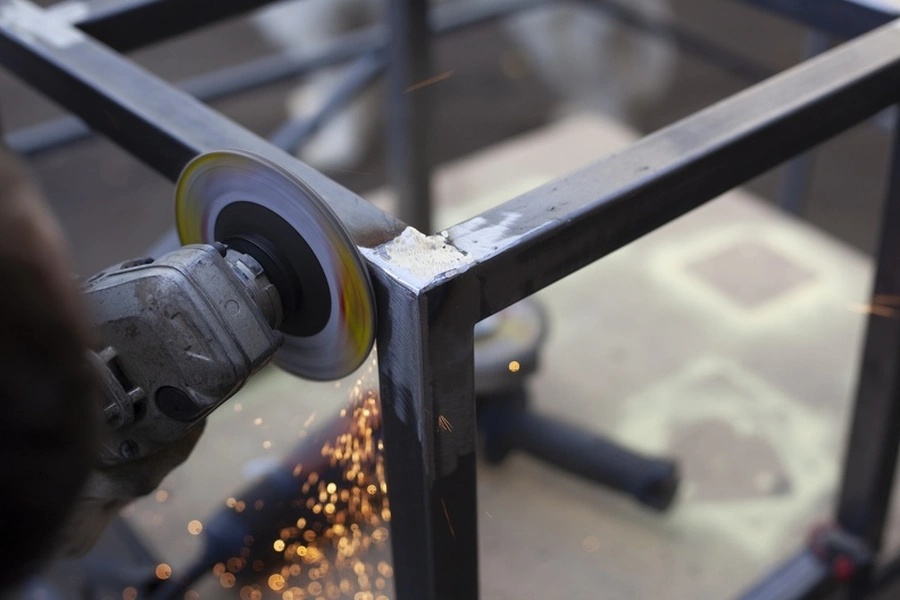
This phase transforms raw materials into parts that fit together perfectly. Here is where metal fabrication takes center stage. It involves cutting, bending, and forming metal sheets into various shapes necessary for the product. Ensuring precision at this stage is crucial because even minor mistakes can lead to significant issues later. Each piece must align accurately with others to create a well-functioning item.
Assembly and Welding: Bringing Parts Together
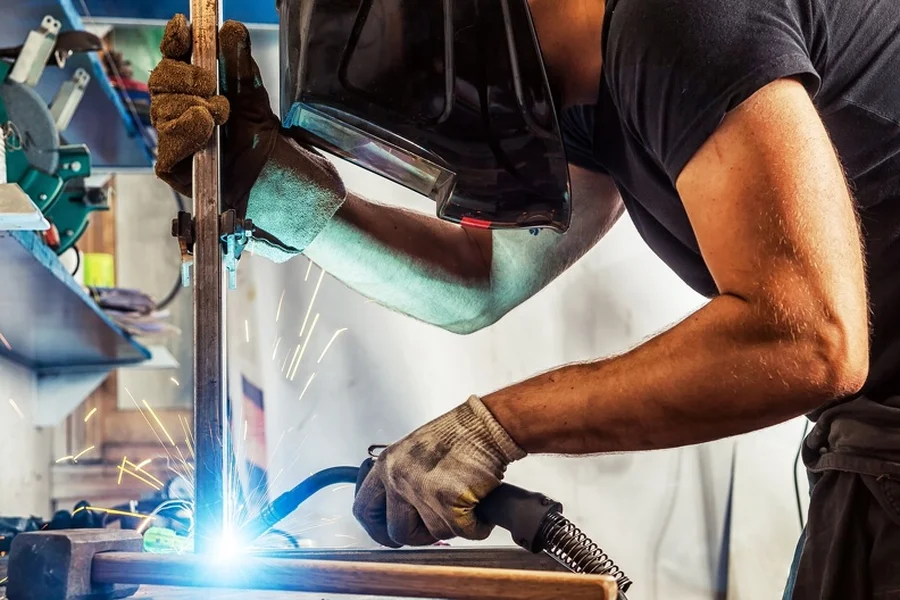
After shaping individual parts, the next task is putting them together. Assembly requires attention to detail and careful handling. This often involves welding, which joins metal parts securely. Welding ensures that joints are strong and capable of supporting stress during use. Mastery in this step guarantees that the final product will be both stable and durable.
- Ensure exact alignment of pieces before welding
- Check joint integrity post-welding
- Test for structural stability throughout assembly
Finishing Touches: Enhancing Appearance and Protection
The finishing phase enhances the look and lifespan of the product. Processes such as polishing, painting, or coating protect against rust or wear. These touches not only improve appearance but also contribute significantly to longevity. A well-finished product stands out visually and withstands external forces better over time.
Quality Assurance: Ensuring High Standards
Once assembly is complete, thorough checks ensure everything meets set standards. Quality assurance involves inspecting each part and testing for defects or weaknesses. This step confirms that the product works correctly and safely under expected conditions. Consistently applying high-quality standards prevents costly errors and maintains customer trust.
- Create comprehensive inspection checklists
- Conduct tests simulating real-world conditions
- Document findings for future reference
Delivery: Completing the Journey
The final stage is delivering the completed product to its destination. This may involve packaging it securely for shipping or installing it on-site. Proper delivery ensures that all prior efforts culminate in client satisfaction without unnecessary complications. Every completed project marks the end of one cycle and sets the stage for new beginnings.
Your Gateway to Excellence With Custom Creations
If you are interested in high-quality creations tailored specifically to your needs, reach out today at (210) 448-6941. Located in San Antonio, TX, I am committed to transforming your ideas into exceptional results. Trust Fernandez Handrails and Welding to deliver outstanding service as you embark on your next project.