Understanding the Distinction Between Two Crucial Processes
The world of metals is fascinating, with various processes defining how metal structures come to be. Among these, welding and welding fabrication stand out as significant methods. While both involve working with metals, they differ in scope and application. Understanding these differences helps in choosing the right process for your needs. Whether you’re a hobbyist or a professional, knowing what each entails can save time and resources.
Defining Welding
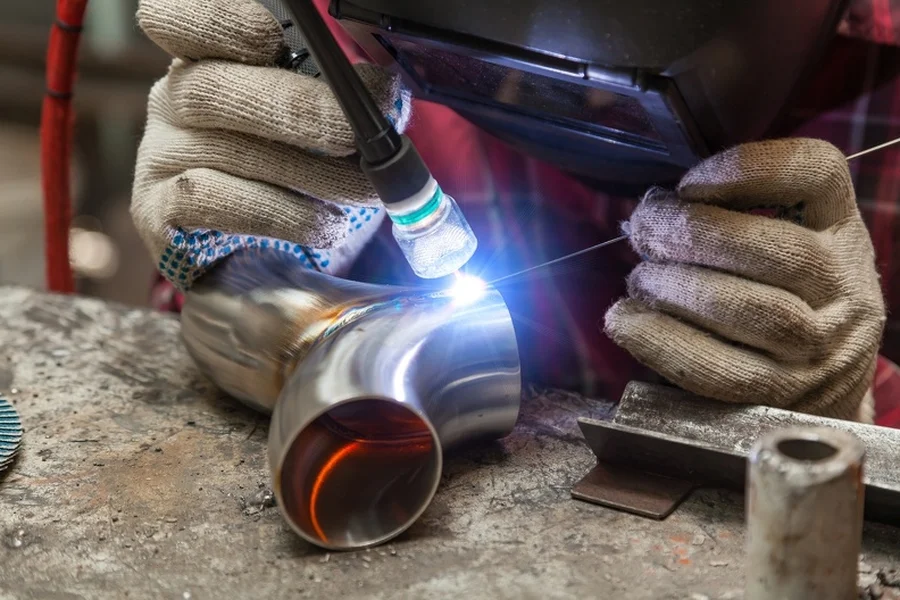
Welding is the technique of joining two or more pieces of metal together by melting them at their contact points. This process often uses heat and pressure, making it vital for creating sturdy metal connections. Commonly used in construction, automotive, and manufacturing industries, welding ensures durability and strength in products.
Exploring Welding Fabrication
welding fabrication involves a broader approach that includes not just welding but also cutting, bending, and assembling metal parts into complex structures. It encompasses the entire creation process from start to finish. Unlike basic welding, fabrication involves multiple steps beyond joining metals. This comprehensive method is crucial for large-scale projects like building frames and industrial machinery.
The Role of Welding Fabrication in Projects
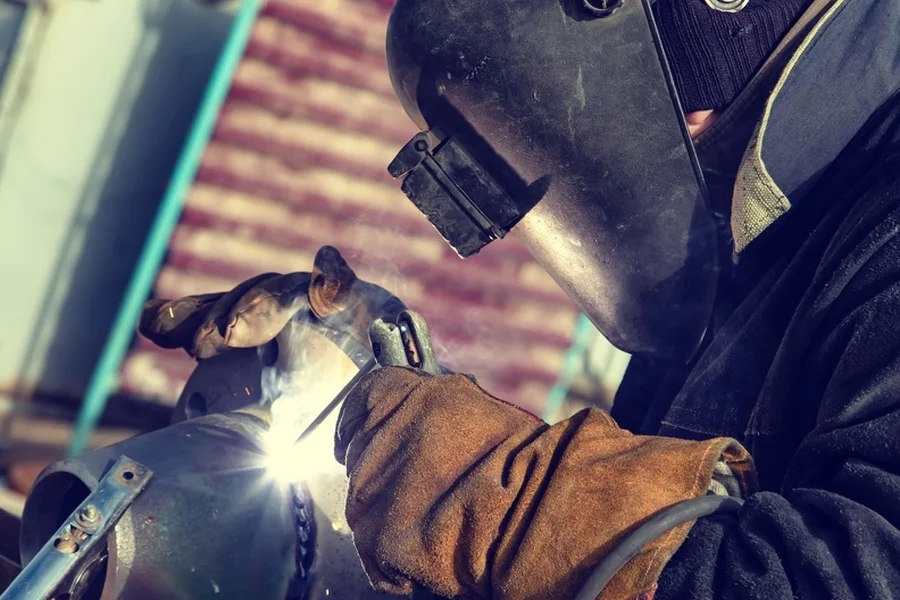
When embarking on large projects, welding fabrication becomes essential. It allows for customization and intricate design work that simple welding cannot achieve alone. Through this method, professionals can create bespoke structures tailored to specific requirements. Such versatility is invaluable in industries where precision and uniqueness are key.
Tools and Techniques Utilized
Both welding and fabrication use specialized tools and techniques. In welding, equipment like torches and electrodes are common. However, welding fabrication requires additional tools such as shears, presses, and CNC machines to cut and shape metals accurately. These tools ensure each part meets exact specifications for seamless assembly.
Benefits of Each Process
- Welding ensures strong joints and minimal material waste.
- Fabrication offers customization opportunities for complex designs.
- Both processes improve structural integrity when used appropriately.
- They enable efficient mass production in industrial settings.
Tackling Common Challenges
Despite their benefits, both welding and fabrication face challenges. Welding might lead to weak joints if not performed correctly. Fabrication requires precise measurements to prevent alignment issues. Additionally, each process demands skilled operators to avoid defects and maintain quality standards.
Choosing the Right Method
Selecting between welding and fabrication depends on project needs. For simple repairs or small-scale tasks, welding is sufficient. For larger projects needing custom designs or assembly of multiple components, fabrication is ideal. Consider factors like complexity, budget, and timeline when deciding which method suits your objectives best.
Cost Implications
Both processes have distinct cost considerations. Welding typically incurs lower initial expenses due to less equipment and simpler execution. However, welding fabrication may prove cost-effective long-term for complex projects due to its ability to combine several phases into one streamlined operation, reducing overall labor costs.
Conclusion: Making an Informed Choice
Understanding the nuances between welding and its expansive counterpart aids in making informed decisions about metalwork projects. Based in San Antonio, TX, I provide expert guidance on choosing the right approach for your needs at Fernandez Handrails and Welding. For specialized support, call me today at (210) 448-6941.