The Role in Creating Strong Structures and Components
In today’s industrial world, creating sturdy and reliable structures is crucial. Many industries rely on various methods to build these structures, ensuring that they can withstand heavy use and harsh conditions. One such vital process is welding fabrication. It plays a significant role in constructing everything from bridges to machinery components, making it indispensable in the industrial sector. Understanding its importance helps in appreciating how industries maintain safety and efficiency.
Enhancing Strength Through Metal Joining
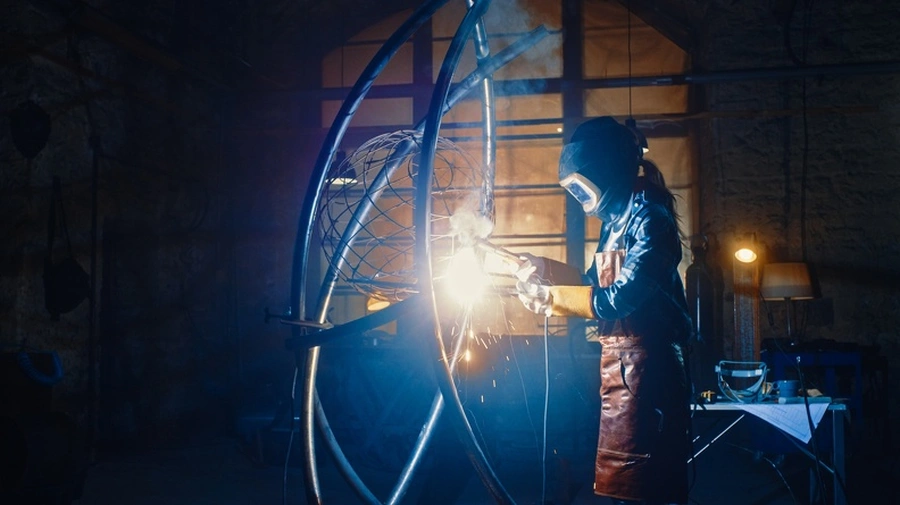
Welding fabrication involves joining metal parts together to enhance the strength of the product. This process ensures that different components are united to form a single strong structure. By using advanced techniques and precise methods, welding fabrication contributes to the durability and longevity of industrial products. Whether it’s a beam for a skyscraper or parts of an automobile, the robust connection provided through this method is essential for maintaining structural integrity.
Boosting Efficiency With Custom Solutions
The efficiency of production lines and machinery greatly benefits from customized solutions achieved through welding fabrication. These customizations allow businesses to tailor their equipment precisely to their needs. For example, manufacturing plants might require specific designs to optimize workflow. Welding fabrication offers the flexibility needed to create these unique configurations, leading to increased productivity and reduced downtime.
Challenges Faced in Industrial Settings
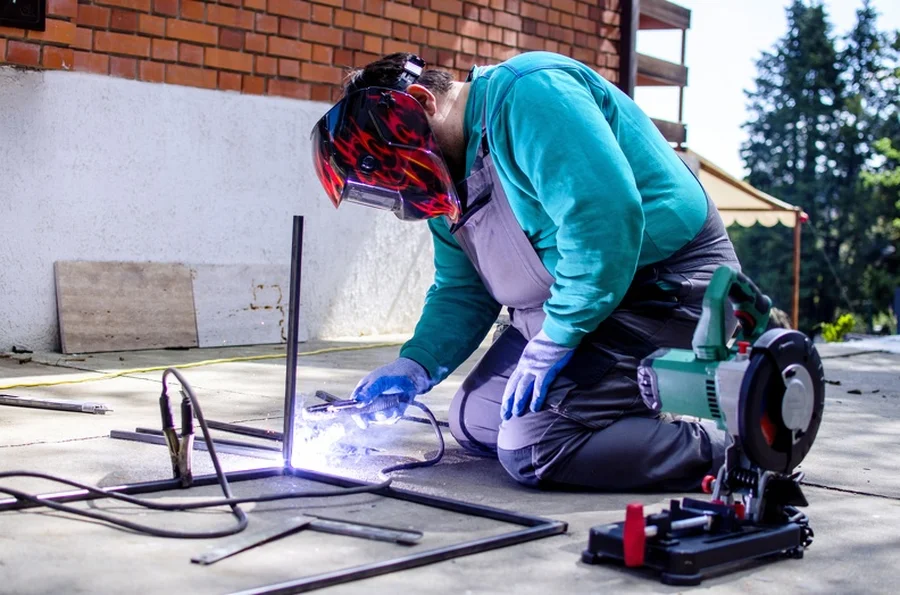
Despite its advantages, welding fabrication comes with challenges. The process requires skilled technicians who can execute it safely and accurately. A lack of expertise can lead to weak joints, which compromise the structure’s safety. Furthermore, the selection of inappropriate materials or techniques can result in expensive repairs or replacements. Addressing these issues demands continuous training and adherence to industry standards.
Step-by-Step Solutions for Effective Implementation
- Firstly, assess your project’s specific requirements and choose suitable materials.
- Secondly, ensure you have skilled personnel trained in the latest welding techniques.
- Thirdly, implement regular inspections to identify potential weaknesses early.
Best Practices for Quality Assurance
Experts recommend several best practices to guarantee quality in welding fabrication. First, always use tested materials known for their reliability. Second, adhere strictly to safety guidelines to prevent accidents during the welding process. Third, conduct routine checks on equipment to ensure they function optimally. Following these practices not only enhances safety but also prolongs the life of the welded products.
Industry Standards and Compliance Necessities
Compliance with industry standards is non-negotiable in welding fabrication. These standards help ensure all processes meet safety and performance benchmarks. Organizations like the American Welding Society provide guidelines that companies must follow. Adhering to these ensures that the end products are safe and fit for purpose, thereby protecting both workers and consumers alike.
Cost Factors and Investment Returns
The initial cost of implementing high-quality welding fabrication might be high, but it pays off over time. Investing in quality materials and skilled labor reduces future repair costs significantly. Additionally, well-fabricated products often perform better and last longer, offering a higher return on investment by minimizing disruptions in production due to maintenance needs.
Your Partner for Reliable Welding Services
If you’re looking for dependable welding services, consider Fernandez Handrails and Welding. With a strong commitment to quality and safety, I offer top-notch solutions based in San Antonio, TX. Reach out at (210) 448-6941 for expert advice tailored to your industrial needs.